Vertical Film Feels Wrong, But It Might Save Cinema
Jan 15, 2026
Zach Wilson
Vertical filmmaking is here whether we like it or not. How will filmmakers pivot, embrace, and implement vertical formats into their workflows? What projects and companies are leading the way in vertical production?
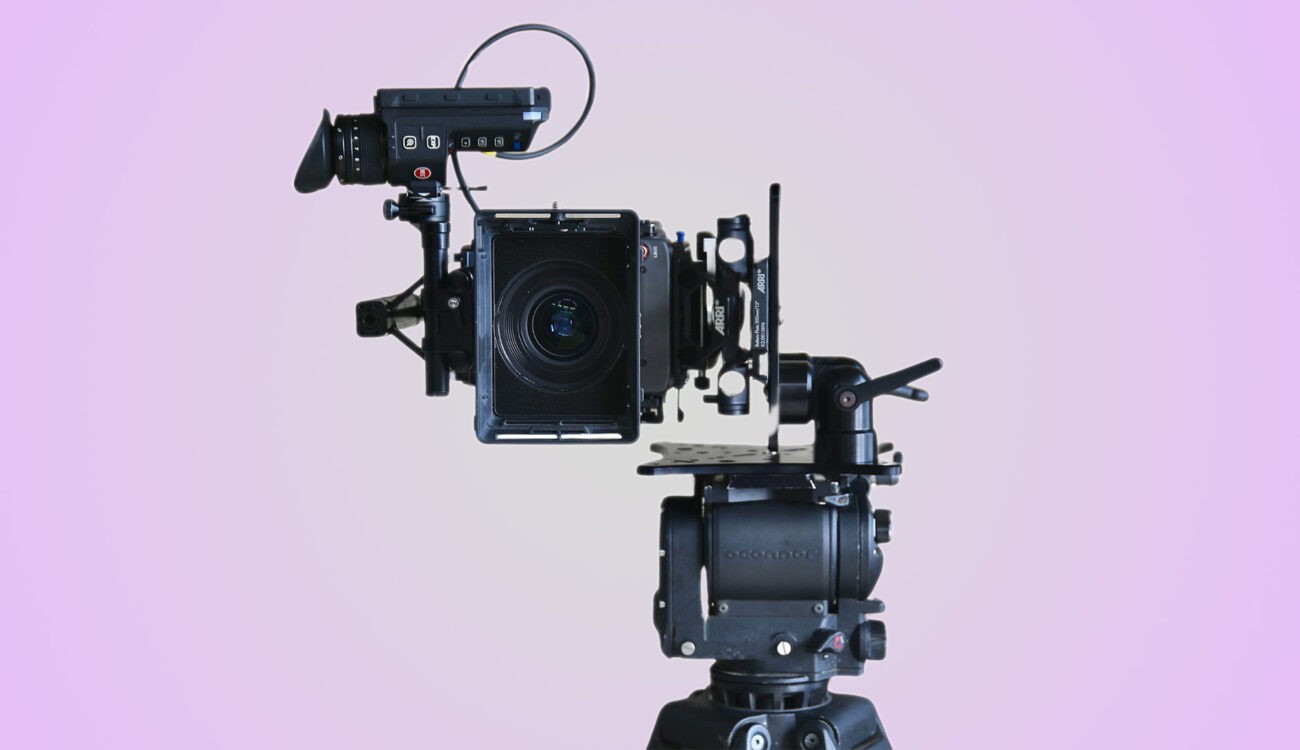
The film industry is confronting a major shift.
Most people now consume video on phones held vertically. This reality is creating tension, confusion, and often frustration among filmmakers who were trained to think in horizontal frames.
Traditional cinema is challenged and viewer attention is more fragmented than ever.
2025 box office numbers in the U.S. total are roughly 3–5% below 2023 and around 25–27% below the pre‑pandemic peak years that were over 11 billion dollars annually. (Source / Slash Film)
At Gulf Coast Studios, we believe this moment calls for thoughtful consideration, not resistance.
Vertical video isn’t the enemy of cinema. It is a transformative phase in visual storytelling that may ultimately reconnect audiences with narratives.
Why Vertical Feels Wrong to Filmmakers
Cinema has a long visual history rooted in horizontal space.
Wide frames let characters exist in space and build tension with scale and geography and allow compositions that feel open and cinematic.
Vertical framing feels claustrophobic in comparison.
It forces directors, cinematographers, and editors out of their comfort zones. It challenges everything taught in film school about composition, landscape, and spatial relationships.
So yes… the instinctive rejection of vertical video makes sense. The discomfort is real.
But discomfort is not an indicator of failure. It is an indicator of change.
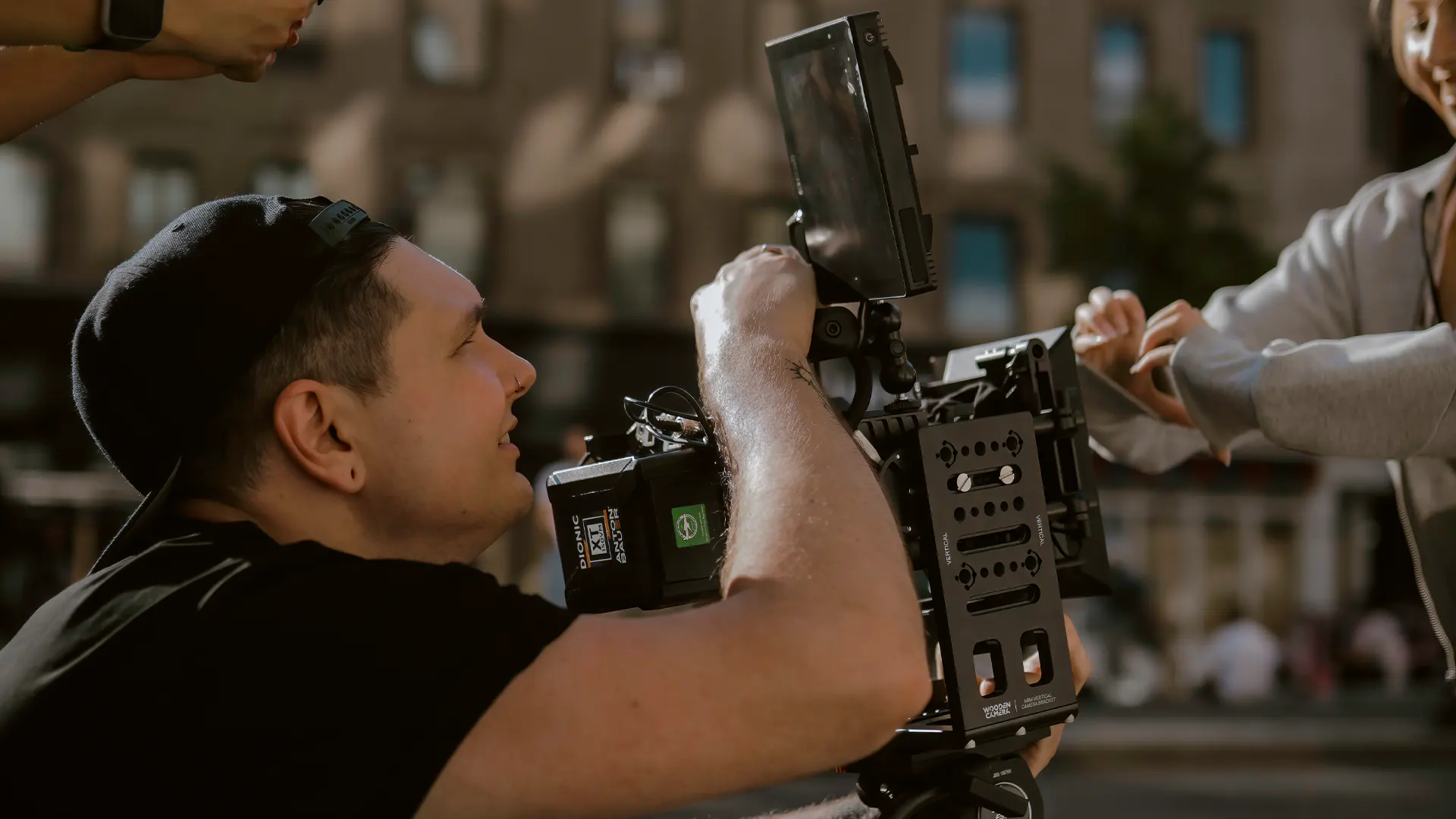
Vertical Is Not the Death of Cinema It’s a Phase
Throughout film history, every major technological shift triggered panic:
● From silent film to sound.
● From black and white to color.
● From celluloid to digital capture.
● From theaters to home streaming (and back again).
Each time, critics declared the end of “real cinema.” Each time, filmmakers adapted. And each time, new art emerged.
Vertical video fits this pattern. It doesn’t kill widescreen storytelling or end theaters altogether.
It simply reflects how the majority of viewers interact with screens today.
Rather than treating vertical as a threat, we should ask a better question:
What kinds of stories work in this frame and why?
What Vertical Demands From Storytelling
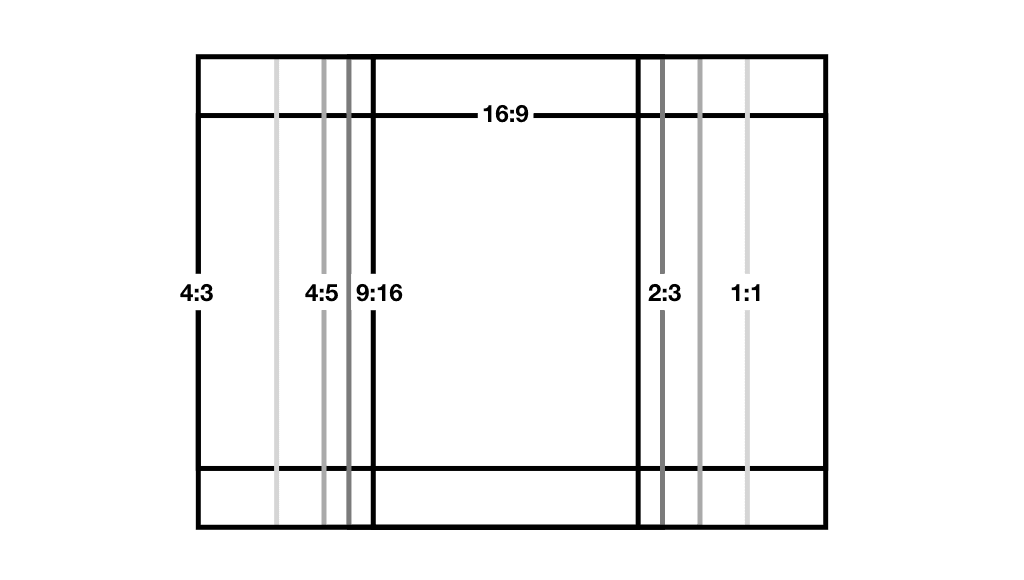
Vertical video is not just a crop of a horizontal frame. When designed with intention, it can reshape narrative focus:
Vertical Prioritizes Intimacy
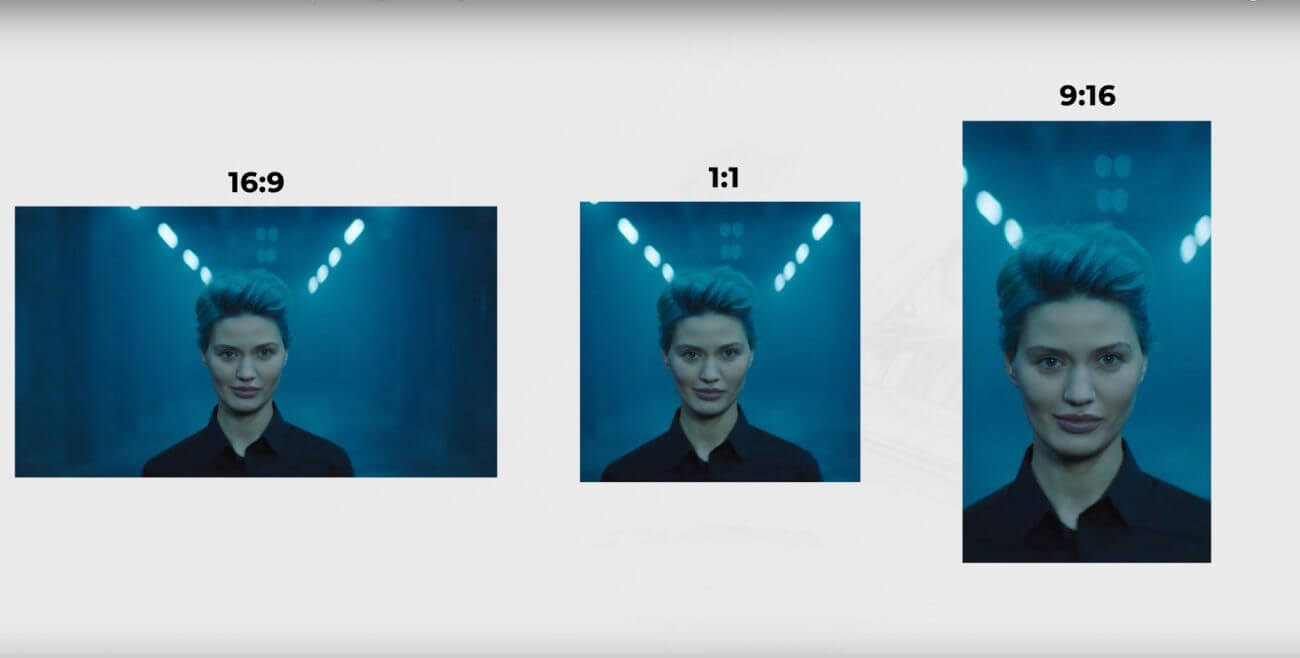
The narrow frame emphasizes faces, eyes, gestures, and emotional micro-moments. It brings the viewer closer to the human experience because the frame naturally reinforces vertical human anatomy.
Vertical Demands a Different Architecture
Instead of wide panoramas, vertical storytelling uses height to emphasize motion, contrast, and tension. Blocking, composition, and movement must be reconsidered from the first storyboard.
Vertical Works Best When Designed for It
Some pioneering creators aren’t just cropping horizontal footage; they are designing narratives for vertical from the beginning. They use vertical architecture as a storytelling tool, not a constraint.
Real Examples of Vertical Storytelling Today
Here are real, contemporary vertical productions that show how flexible the format can be:

1. Audrey in Full Bloom
A vertical series that reached millions of views, produced specifically for smartphone viewing and structured in 90-second episodes, which is a model emerging in both the U.S. and Asia.
2. Mobile Microdramas (Duanju)
A massive vertical drama format emerging from China where professionally produced short vertical web dramas attract huge global audiences.
3. Damien Chazelle’s Vertical Short “The Stunt Double”
A high-profile example that demonstrates vertical cinema using iPhone shooting and intentional composition for vertical screens.
4. Telemundo’s Mobile-First Slate
Telemundo Studios is developing vertical, episodic storytelling for major global audiences, including biblical narratives created specifically for the vertical format.
These examples show that vertical storytelling is already being used seriously in production, not just clipping old content into the wrong aspect ratio.
The Real Opportunity for Filmmakers
Vertical video doesn’t have to replace widescreen cinema to matter. It only has to be a vehicle for great stories, and it already is for millions of viewers.
This is huge: Filmmakers who resist vertical risk missing where audiences already are. Those who adapt can create:
● Thrillers designed for vertical space.
● Character studies where intimacy is the focus.
● Serialized narratives built for short, mobile consumption.
As creators, we must ask:
If you embraced vertical instead of fighting it what would you make?
Vertical Is Just The Beginning
This phase will feel awkward and uncomfortable. New forms always do. Before widescreen cinema, 4:3 felt narrow.
Before digital, film purists scorned sensors. Before streaming, theaters were declared obsolete.
Innovation often looks wrong before it looks inevitable. Vertical video is part of that cycle. It may not look like classical cinema yet, but its still evolving.
If vertical video reconnects audiences with compelling stories — even if those stories look different from what we’re used to — then we should welcome the change.
Because cinema is not defined by aspect ratio. Cinema is defined by storytelling.