Original Films vs Franchises: Why New Stories Are the Smarter Bet Right Now
Feb 17, 2026
Zach Wilson
The legacy industry in Hollywood has been facing the delima of a changing cinematic world. Where are audiences going from here? Do we need more of the same (franchises) or more originals? We have data that suggests one option may be a better bet than the other. Does the future of cinema depend on it?
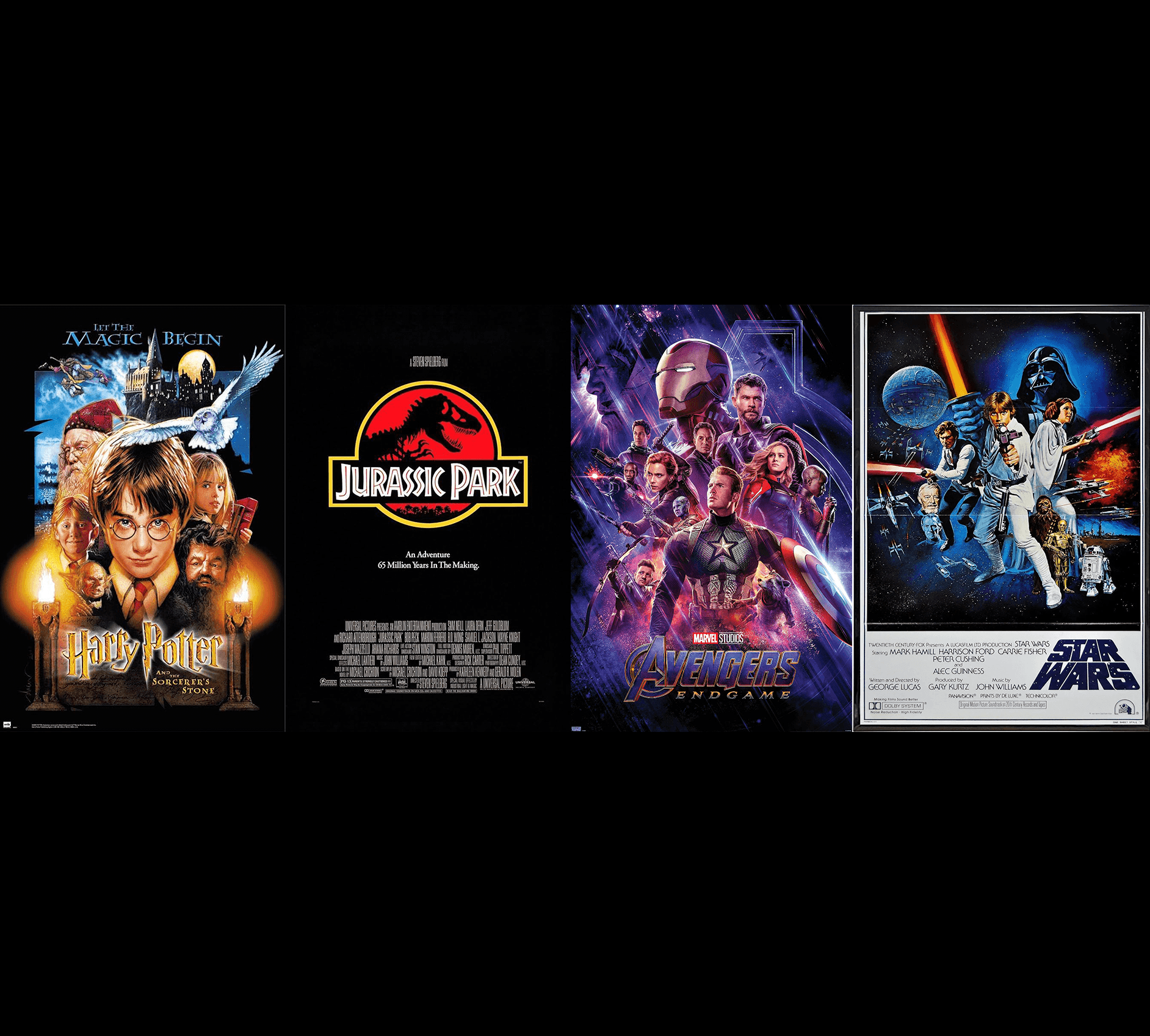
Hollywood once thought franchises were the safe bet
For a long time, Hollywood ran on a simple assumption: if people recognize the brand, they’ll show up. That thinking is why release calendars filled up with sequels, spin-offs, reboots, and ever-expanding universes.
And to be fair, it worked. People do like returning to stories they already understand. There’s comfort in that. It feels like you know what you’re getting.
But that doesn’t land the same way now.
Audiences still enjoy franchises. They still love big worlds and characters they care about. What’s changed is the reaction to familiarity. It used to create excitement. Now it often creates hesitation.
Before pressing play or buying a ticket, people are asking a different question than they used to:
“Is this actually going to surprise me, or is it just more of the same?”
That shift in mindset is a big deal and it’s changing the world of film.
Audiences are showing real fatigue with repeat stories
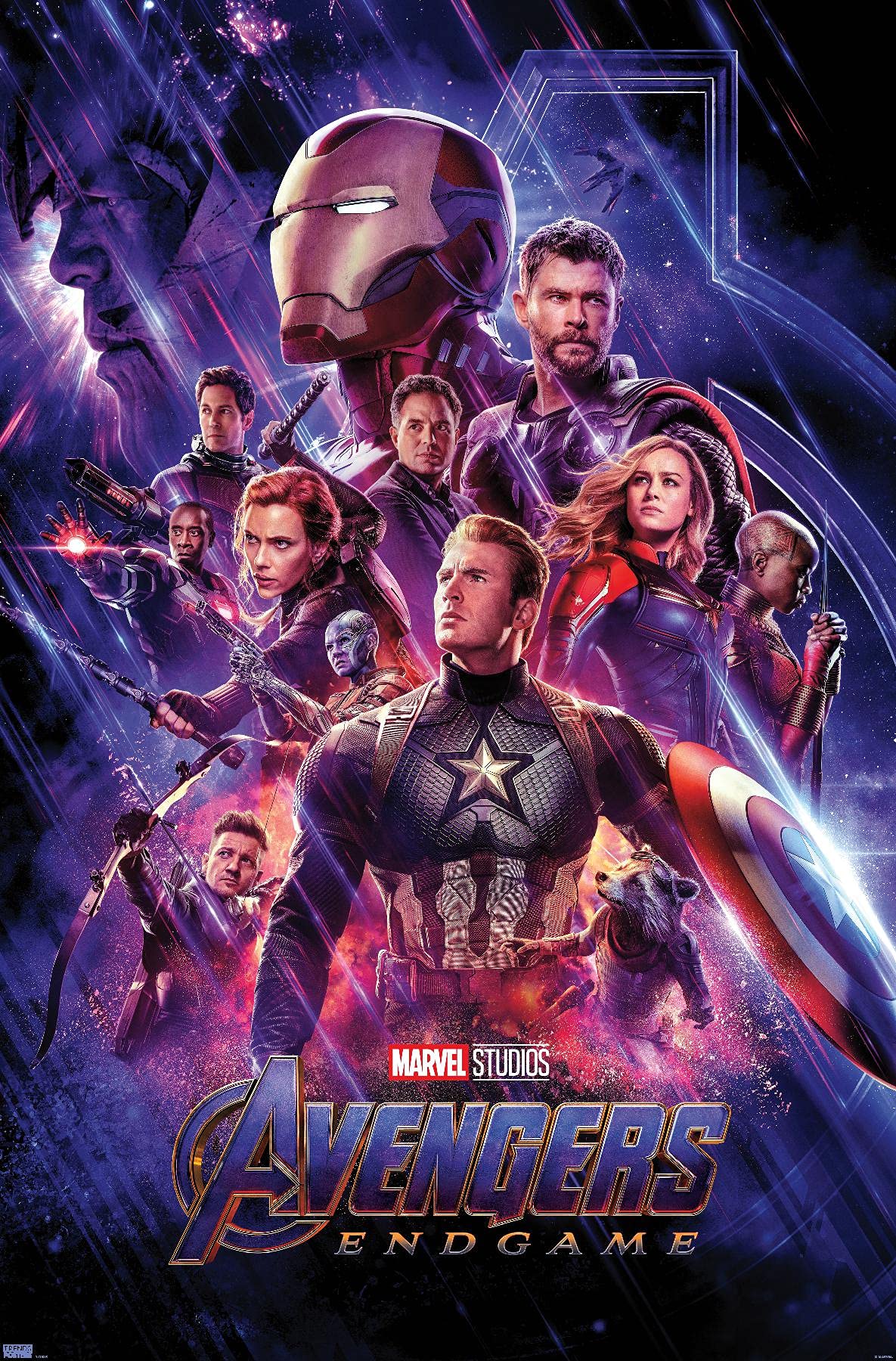
Recent research shows that many people feel overloaded with sequels and franchise entries. In a 2025 study, 56% of consumers said too many franchise releases feel repetitive.
Almost half (48%) said they are more likely to skip a new installment when they believe studios are pushing quantity over quality. The biggest statistic, 62% of consumers said they now prefer original stories over another sequel or spin-off.
Another survey found that only 29% of Americans want more superhero and franchise films, while 40% want fewer of them, and 47% want fewer reboots of old movies.
This does not mean franchises are dead. It means familiarity alone is no longer enough to guarantee attention or box office sales.
Franchises still sell excitement but the rules are shifting
Franchises are not gone. They still deliver big iconic moments, predictable structures, and familiarity that many people enjoy.
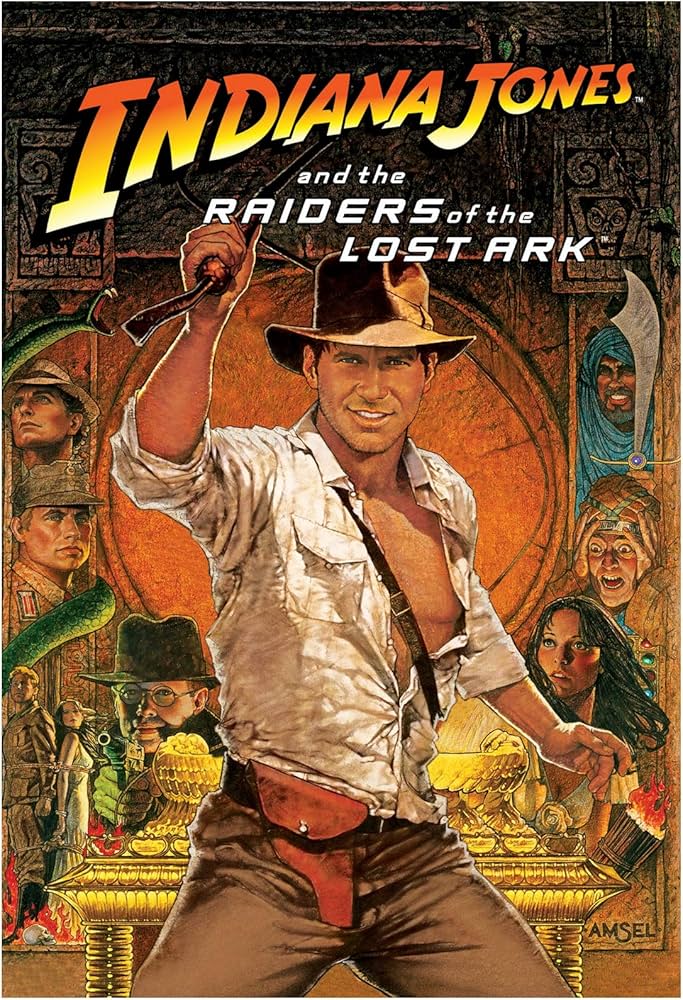
A familiar world can feel comforting. People love returning to the characters and rules they already know and love. And some franchises are still creative. Many introduce new villains, side characters, and storylines that feel fresh and exciting. But the audience’s tolerance for formula has limits.
When viewers feel like they’ve seen the same beats again and again, excitement fades. That’s why even some highly anticipated franchise entries now open softer than expected.
Original films feel fresh in a crowded content world
Original stories do not carry the same baggage. They do not ask people to remember ten previous movies. Viewers can jump in knowing that what they’re about to see is new and unknown.
This simplicity makes original films easier to sample. People will try something new when it does not feel like “yet another chapter.”
2024 and 2025 saw several notable original and independent successes that prove this point. Films like Nosferatu, which grossed around $181 million worldwide, show that original stories can compete across audiences.
A Complete Unknown also did well with a global take near $140.5 million, while smaller films like
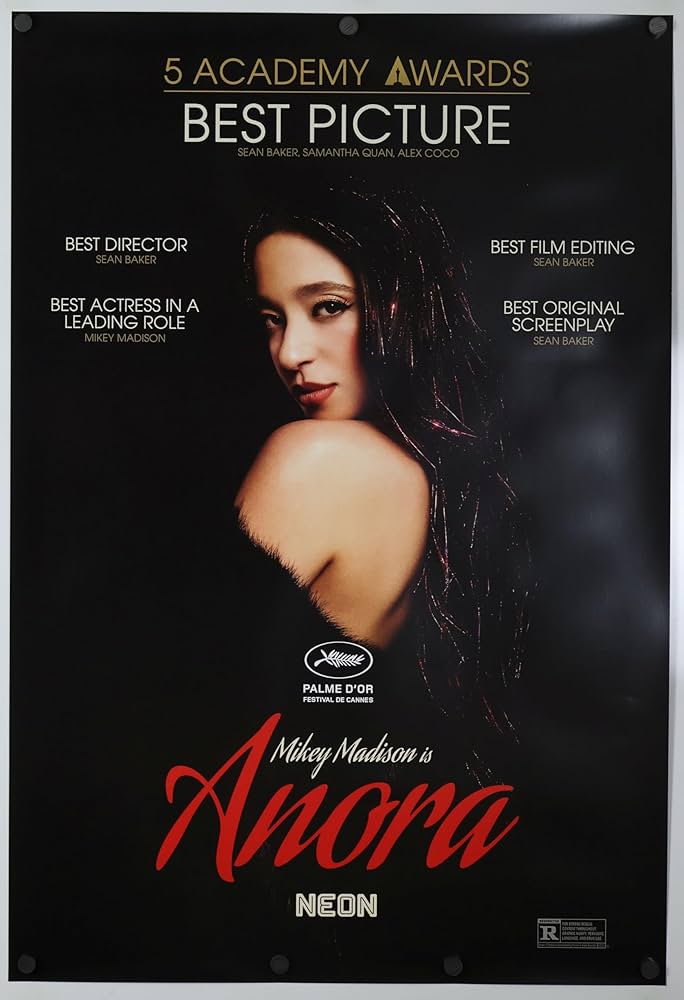
Anora and The Brutalist earned roughly $53 million and $50.4 million, respectively.
These movies are not just niche festival films. Some became cultural conversation points and even award contenders, showing that audiences will respond when a story feels worth their time.
Original success isn’t only financial it’s cultural. Some original films resonated beyond box office numbers.
For example, Anora walked away with major awards at the 2025 Oscars, including Best Picture, Best Director, Best Actress, and Best Original Screenplay. A rare moment for independent cinema in a landscape crowded with big franchises.
That kind of recognition matters. It signals that powerful, human stories still connect deeply with audiences and critics alike.
The business model supports slow burn success
The way films make money has changed. A movie no longer lives or dies only on opening weekend.
Premium rental, streaming windows, and longer theatrical runs give movies multiple chances to find their audience. Original films can benefit from this layered model. A story that starts smaller can grow through word of mouth and social sharing.
That means a unique idea can outlast a loud opening and find real long term lifespan and growth.
Streaming competition makes originality more valuable
Streaming platforms compete for attention every single day. A franchise entry adds another title to a library. A strong original adds identity. When people browse a service, they notice distinct offerings that feel different from every other platform. Fresh stories give subscribers a reason to stay, talk, and tell friends to watch.
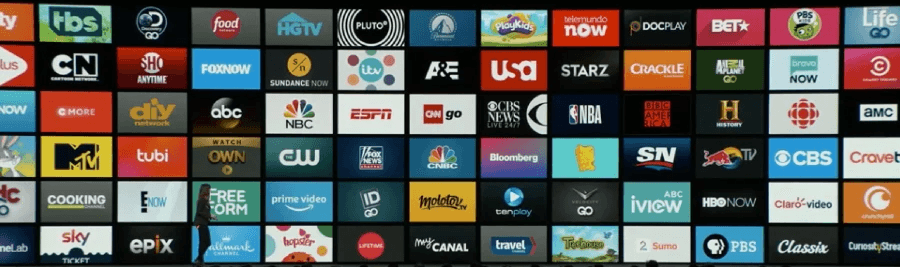
In a world where viewers can cancel at any time, that matters more than another safe sequel.
Originals are the seed of future franchises
Every major franchise started as a new story. Original films gave the world Star Wars, Jurassic Park, and The Matrix long before they became multi-entry universes. If studios ignore new ideas, they dry up their pipeline of future franchises. Known brands age with time. New worlds bring new fans, new characters, and new stories.
Originals are not the opposite of franchises. They can be the beginning of them.
The real risk today is being ignored
The biggest danger is not failure. It is indifference. A weak franchise entry might still open big because of brand recognition, but it often fades fast. Original films, when they connect, create deeper emotional responses like surprise and curiosity, and spark conversation. People will talk about something that feels new and exciting. They are less likely to talk about something that feels recycled.
Today, attention is the currency.
The new definition of “safe”
Old Hollywood said safe equals familiar. Today, safe equals attention. Franchises are not dead. They still deliver excitement and predictability when done well. But familiarity does not guarantee attention anymore.
Original stories now offer clarity of purpose and a clean entry point. They bring new worlds and new voices. They give audiences something they cannot get anywhere else.