Is Hollywood Losing Control?
Mar 24, 2026
Zach Wilson
For a long time, Hollywood ran on control. But that level of control is starting to shift.
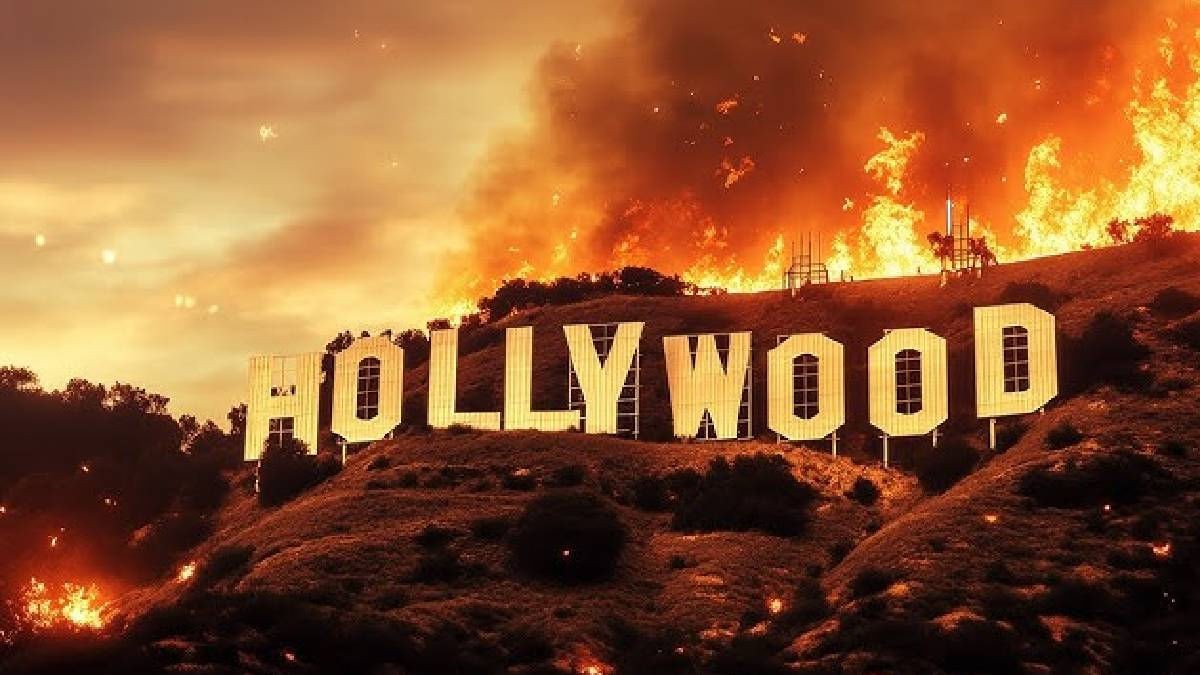
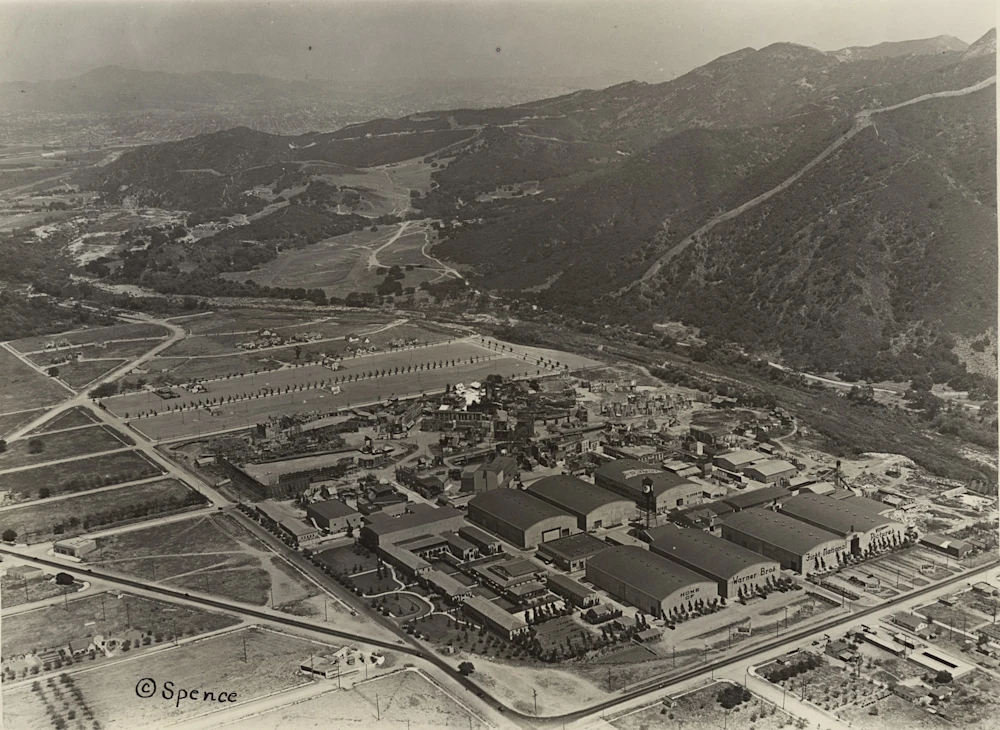
For a long time, Hollywood ran on control.
Studios decided what stories were worth telling, who got hired to tell them, and how those stories reached the audience. If you wanted to make something at scale, there was a clear path forward, and it almost always led through a studio system that had been refined for decades.
That structure created consistency, opportunity, and, in many ways, some of the most influential films ever made.
But that level of control is starting to shift.
Not all at once, and not in a way that feels dramatic on the surface, but in a way that becomes obvious when you step back and look at how the industry is operating today.
AI is a Power Shift
Artificial intelligence is no longer a concept being discussed in conference rooms. It is already being used across different parts of the production pipeline, from early script analysis to post-production workflows like editing and visual effects.
In many cases, it is helping teams move faster, reduce costs, and streamline decisions that used to take significantly more time.
On paper, that sounds like progress.
But underneath that efficiency is a deeper shift in how value is being defined.
When production becomes faster and more scalable, the question is no longer just about what can be made, but about what role human input plays in that process.
That concern has already surfaced in recent labor negotiations, where unions pushed for clearer protections around digital likeness, voice replication, and how AI systems are trained using existing creative work.
There is also a growing legal response to these concerns. Proposed legislation like the NO FAKES Act is designed to give individuals more control over how their image and voice are used in AI-generated content. That alone signals how seriously the industry is taking the long-term implications of this technology.
Studios often position AI as a support system for creativity, and in some ways it is.
But from a creative standpoint, the question feels less technical and more philosophical. Does faster production actually lead to better storytelling, or does it gradually make creative work more interchangeable?

Ai actor Tilly Norwood
The Line Gets Blurry With Synthetic Talent
As AI tools become more advanced, the line between enhancement and replacement starts to blur.
Digital characters, voice models, and AI-assisted performances are already being explored in real production environments. While these tools can solve practical problems, they also introduce a new layer of uncertainty around what defines a performance.
Actors and industry professionals have raised concerns about how their likeness and work could be used, especially as technology makes it easier to replicate human traits with increasing accuracy.
Because at its core, performance is not just about delivering lines.
It is about timing, presence, and subtle human decisions that happen in the moment.
Those elements are difficult to quantify, and even harder to replicate in a way that feels authentic. That is where much of the tension sits, not in the existence of the technology, but in what it could replace over time if left unchecked.
Control at the Top Is Getting Tighter
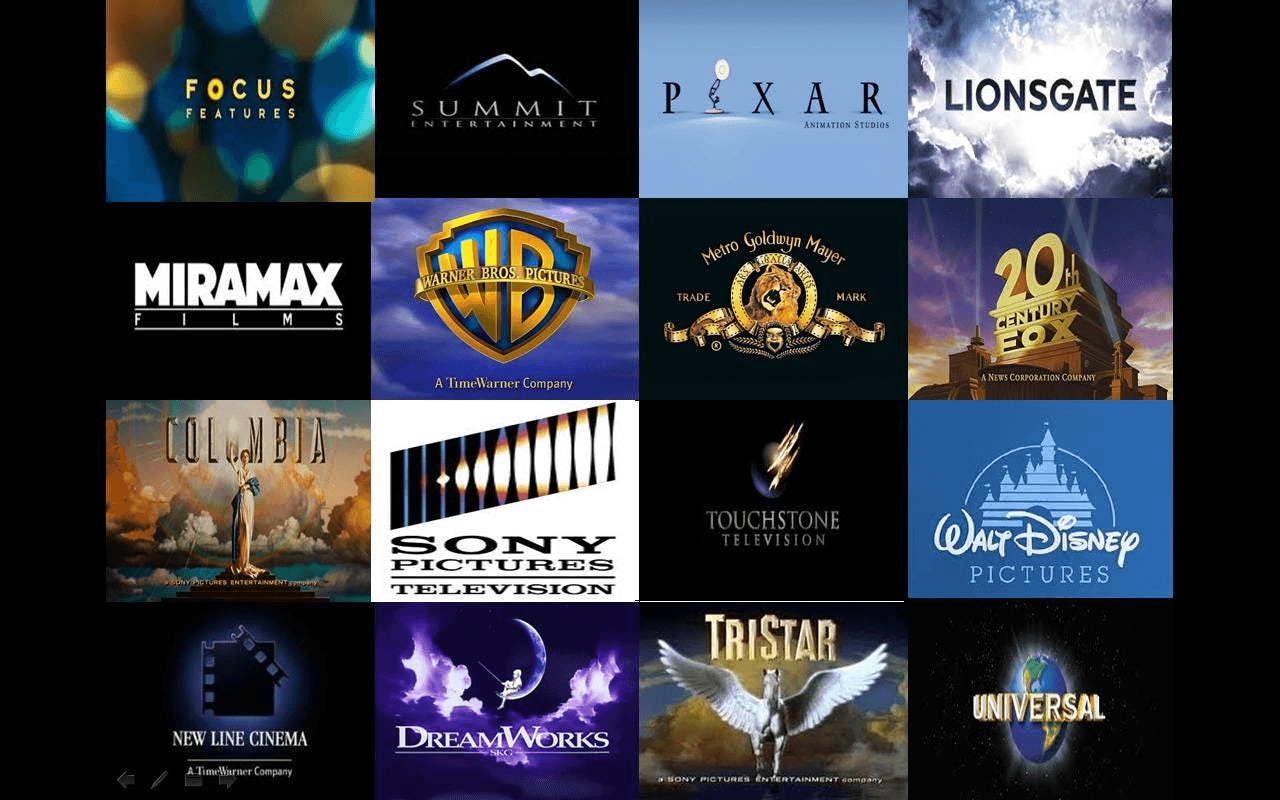
While technology is opening new doors for creators at the ground level, the top of the industry is becoming more concentrated.
Ongoing discussions around mergers and consolidation between major media companies have raised concerns about how much control is being held by fewer organizations. When fewer companies control a larger share of production and distribution, the margin for creative risk can shrink.
Decisions become more calculated, and projects are often evaluated based on their ability to perform at scale rather than their originality.
This does not mean that great work stops happening.
But it does mean that fewer unconventional ideas make it through the system, simply because the stakes are higher and the decision-makers are fewer.
Watering down the creative process could end up hurting major companies because audience statistics show that they are craving more original and creative films. And audiences are also still wanting to support creators, writers, directors, and producers, maybe even more now than before.
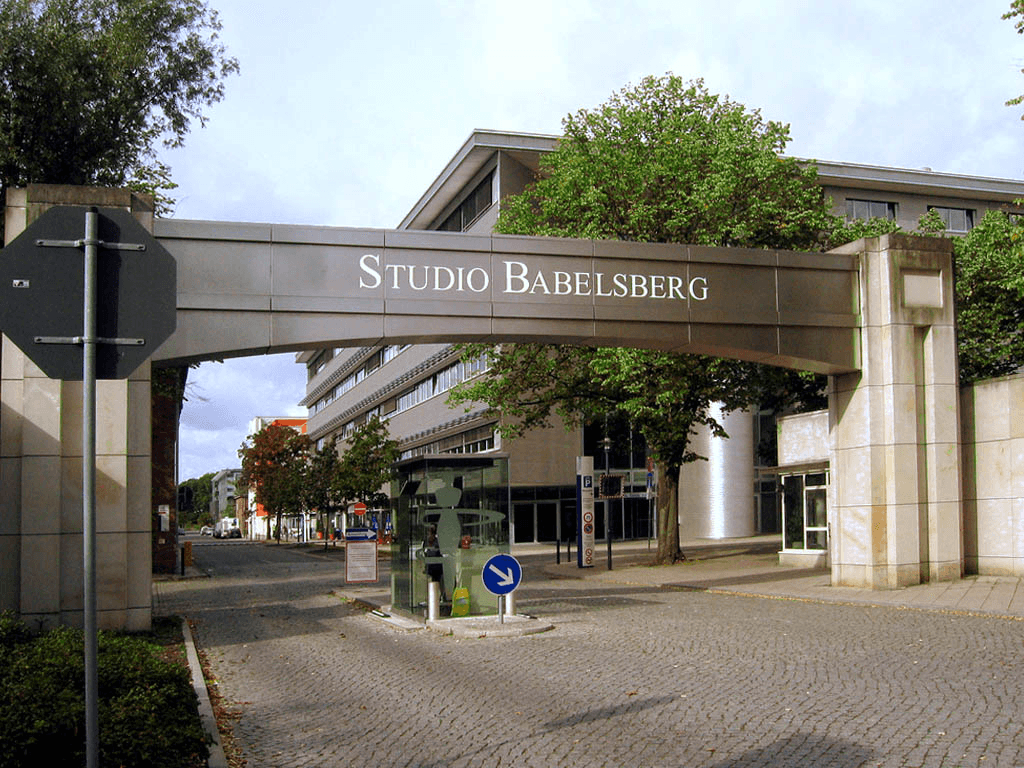
Babelsberg Film Studio, Germany
Hollywood Is No Longer a Place
For decades, Hollywood was not just an industry. It was a location.
If you were not in Los Angeles, you were often considered outside the system. That geographic concentration gave studios another layer of control, because access depended on proximity.
That is no longer the case.
Production now happens all over the world, from Atlanta to Toronto to international hubs across Europe and beyond. Tax incentives, lower costs, and expanding infrastructure have allowed entire production ecosystems to grow outside of traditional Hollywood.
As a result, the industry has become more distributed, and with that distribution comes a shift in where control actually lives.
Hollywood did not disappear.
It expanded, and in doing so, it lost some of its central grip.
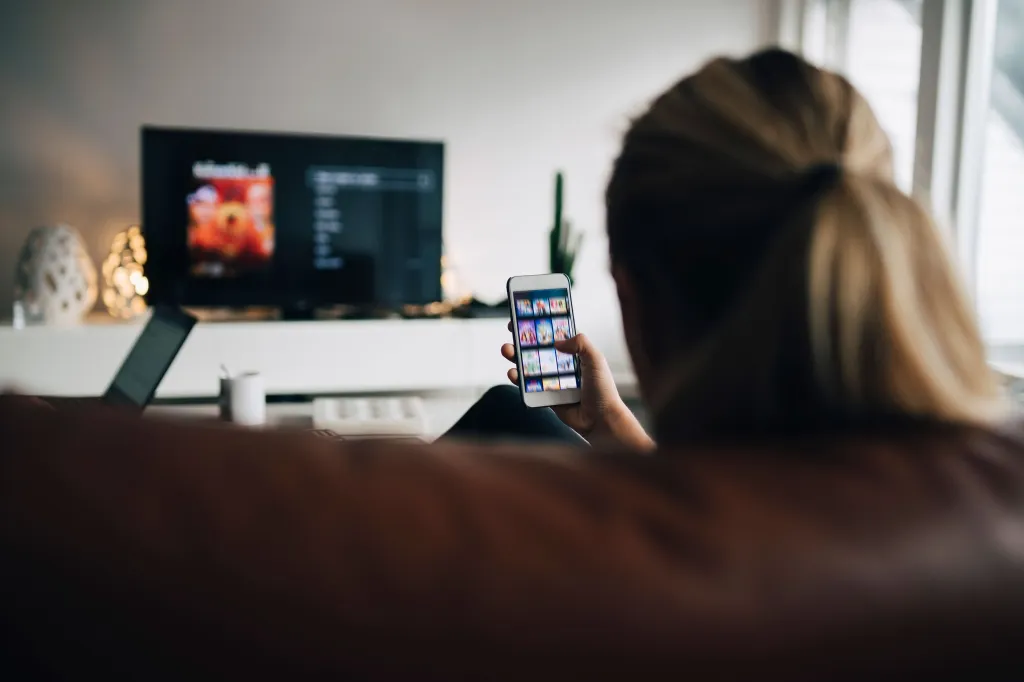
Streaming Opened the Door Then Shifted Again
Streaming platforms changed the industry in a way that felt immediate.
They removed traditional barriers to distribution and made it possible for content to reach global audiences faster than ever before. For a time, it created an environment where new voices, niche ideas, and independent projects had a real chance to find an audience.
But that phase is evolving.
After years of aggressive spending and rapid expansion, many platforms are now pulling back. Budgets are becoming more controlled, and green-lights are more selective. The result is a system that still offers opportunity, but with more pressure and fewer guarantees.
Access did not disappear. It simply became more competitive again.
The Audience Moved First
The most important shift in all of this did not come from studios or technology.
It came from the audience.
Viewers no longer rely on studios to decide what is worth watching. They discover content through social platforms, word of mouth, and creators who build direct relationships with their audience.
Attention moves quickly, and it often moves independently of traditional marketing cycles.
This changes everything.
Because once the audience controls attention, studios are no longer the sole drivers of cultural relevance. They are participants in a larger system that includes platforms, creators, and communities.
Hollywood still releases films but it no longer controls the conversation around them in the same way.
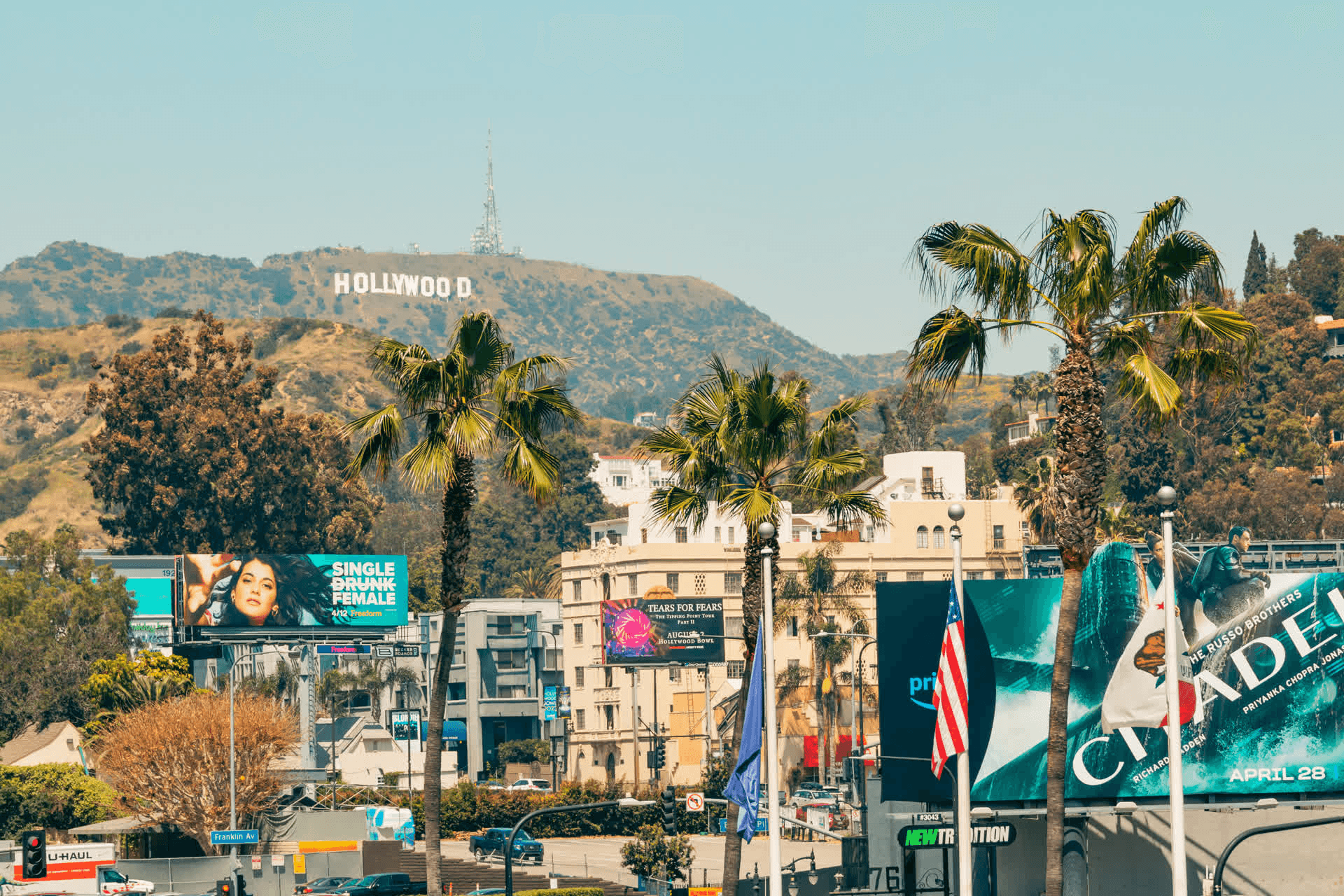
So… Is Hollywood Losing Control?
The answer is not simple.
Studios still hold significant power. They control large budgets, major franchises, and global distribution networks that are difficult to replicate. That infrastructure still matters, and it continues to shape the industry in meaningful ways.
But control is no longer centralized.
It is spread across multiple layers, including technology, platforms, creators, and audiences.
Each of these groups now holds influence in a way that did not exist before, and that distribution of power is what defines the current moment.
Hollywood is not losing control entirely.
It is learning how to operate without having all of it.
Hollywood Isn’t Disappearing
Hollywood isn’t disappearing.
It’s opening up.
For a long time, control was concentrated in a few places, with a few decision-makers guiding what stories reached the world. Now, that control is spreading. It’s moving into the hands of more creators, more voices, and more audiences than ever before.
That shift can feel uncertain, but it also creates something the industry has always needed more of… room.
Room for new ideas. Room for different perspectives. Room for stories that might not have fit the old system.
The system isn’t breaking, it’s expanding.
And that expansion is where the next generation of great storytelling will come from.