Is Hollywood Still the Gatekeeper to Success?
Apr 28, 2026
Zach Wilson
Breaking into the film industry has dramatically changed! The old way is still possible, but is it really the best method?
Why breaking in feels harder than ever and why more people are still trying
Hollywood has always given a clear idea that if you have talent, you can make it.
That idea still holds weight. But it leaves out something important.
For many people trying to enter the industry today, the main barrier is not talent… It’s access.
Access costs money, takes time, and in many cases, it depends on proximity and relationships.
But, at the same time, the tools to create and distribute work and display talent have never been
more available. With things like vertical filmmaking, social media, YouTube, and more it’s never been easier to show off talent.
Both of those realities exist at once.

The Cost of Entry Is Higher Than It Looks
Most careers in film start with entry-level roles like production assistants, agency assistants, interns, freelance crew.
These roles offer exposure, but they often come with low pay, especially in places like Los Angeles where the cost of living is high.
Rent, transportation, and basic expenses add pressure quickly.
That pressure creates a filter.
People that have financial support can stay in the system longer. But people without it have a choice.. Make it work no matter what, or step away before they gain any attraction.
This typically shapes who remains in the industry over time.

A Relationship Driven Business
Like most businesses, Hollywood has always been relationship-driven.
That shows up in hiring, representation, and opportunity. It also shows up in more visible ways through family connections and early access to industry networks.
The term “nepotism” gets attention, but the underlying reality is bigger than that. Some people enter the industry already connected to it. Others have to build those connections from scratch.
For those outside the system, progress often takes longer and requires more consistency over time (but the reward is always much sweeter).

The Early Career Funnel Is Narrow
Assistant roles remain one of the most common entry points.
They offer a clear path on paper: learn the system, build relationships, move up.
In practice, they also test endurance.
Long hours, limited pay, and high expectations create an environment where many people leave before advancing. The industry does not always push people out directly, but the structure makes it difficult to stay without long-term commitment.
As a result, those who remain tend to be the ones who can absorb that pressure over time.

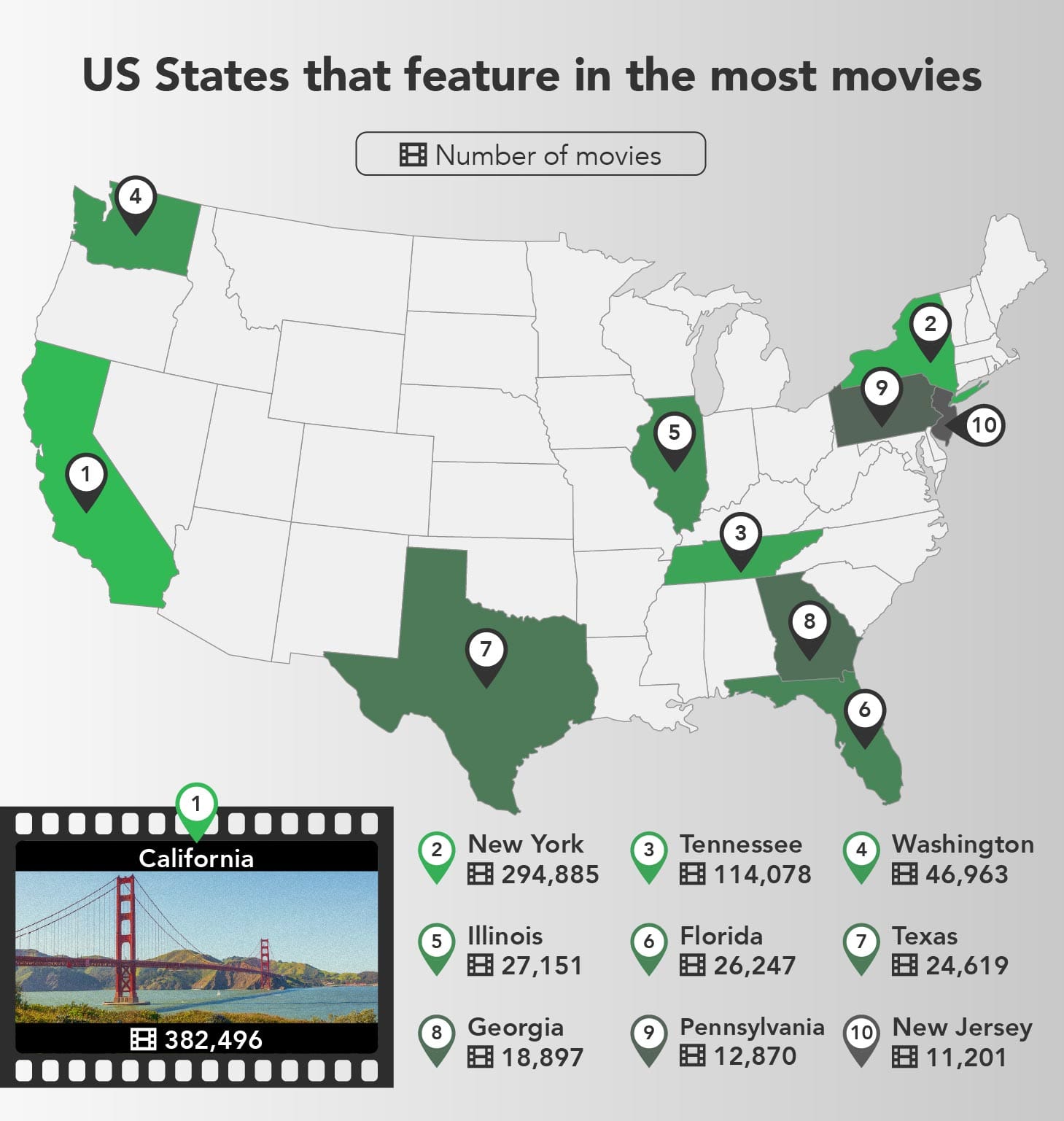
Geography Still Creates Advantage
Despite the rise of remote work, location still matters.
Being in Los Angeles increases access to meetings, sets, and opportunities that often happen on short notice. Informal interactions still play a role in how projects move forward and how people get noticed.
It is possible to build a career outside of that system especially as more and more cities are becoming spots for film studios.
But proximity continues to increase the likelihood of opportunity going anyone’s way.
Talent Needs Exposure to Matter
There is a common belief that strong work will eventually rise on its own.
In reality, talent needs visibility.
A well-written script does not move forward until someone reads it. A strong performance does not create momentum without access to auditions or distribution.
Access creates opportunity and opportunity reveals talent.
Without access, the timeline of entry keeps getting longer.
The Barrier to Creating Has Dropped
While access to the industry remains uneven, access to creation has changed.
High-quality video can now be produced with minimal equipment. Editing tools are widely available and distribution is no longer limited to traditional channels.
As we’ve seen for years now, platforms like YouTube and TikTok allow creators to build audiences without going through studios or networks.
Film festivals, including the Sundance Film Festival, still play a role in launching careers. But they are no longer the only entry point.
This shift does not remove the barriers to bigger Hollywood studios, but it changes where momentum can start.

Two Paths Now Exist
The traditional path into the industry is still in place.
Assistant roles lead to coordinator positions, which can lead to creative or executive roles over time.
Alongside that path, a second route has become more visible.
Creators produce their own work, build an audience, and attract attention based on that audience.
Studios and production companies now monitor this space closely. Audience attention has become a form of leverage.
People can move between both paths or stay in one.
Either way, the system is no longer a “one way” ticket.
The System Has Not Closed But It Has Not Opened Fully
The current landscape is not defined by one clear trend.
Costs are getting higher. Entry-level roles remain difficult to sustain. Competition continues to increase.
At the same time, more tools are accessible, distribution is broader, and audiences are easier to reach directly.
This creates a system that is both restrictive and open, depending on where you stand and how you approach it.

Final Thought
So is Hollywood a rich person’s game?
In some ways, it still is. Access, time, and financial stability all play a role in who is able to stay in the system long enough to move forward.
But that is not the full picture.
The industry is also adjusting to a new reality where creation is no longer limited to those inside it. Work can be made, shared, and discovered outside of traditional structures.
That does not guarantee success. But it does create movement and opportunity.
And in an industry where access has always been the gate, the ability to create and be seen without permission is not a small shift. It’s a huge shift, and it’s just getting started.