Old Hollywood Technology - Cinematic Magic Before CGI
Nov 4, 25
Zach Wilson
In this article we explain how old Hollywood technology influences modern filmmaking, and explore some feats of film in timeless classics.
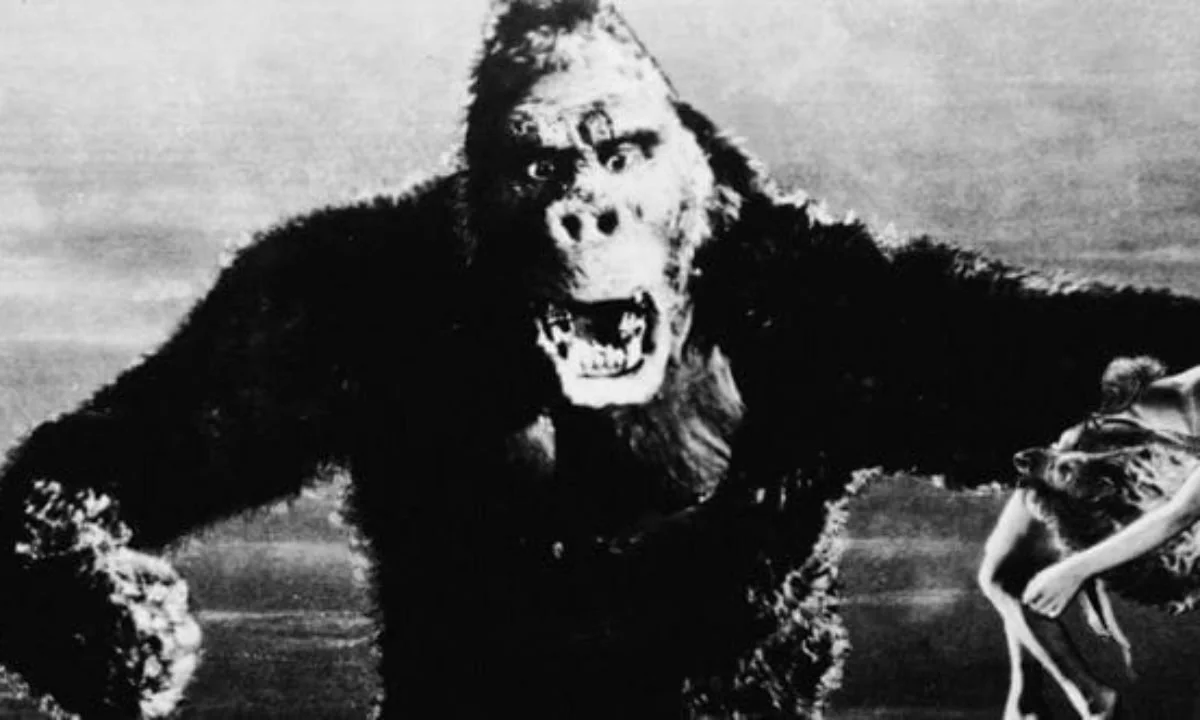
Before the digital revolution changed filmmaking forever, Hollywood's golden age was marked by ingenuity, craftsmanship, and a touch of magic.
Filmmakers of the 1930s and 1940s relied on practical effects, optical illusions, and meticulous artistry to create the cinematic masterpieces that captivated audiences.
This article explores how these pioneers brought their visions to life.
Miniatures and Forced Perspective: Creating Giant Worlds
One of the most iconic examples of miniature work is King Kong (1933).
To depict the colossal ape scaling the Empire State Building, filmmakers employed a combination of stop-motion animation and forced perspective.
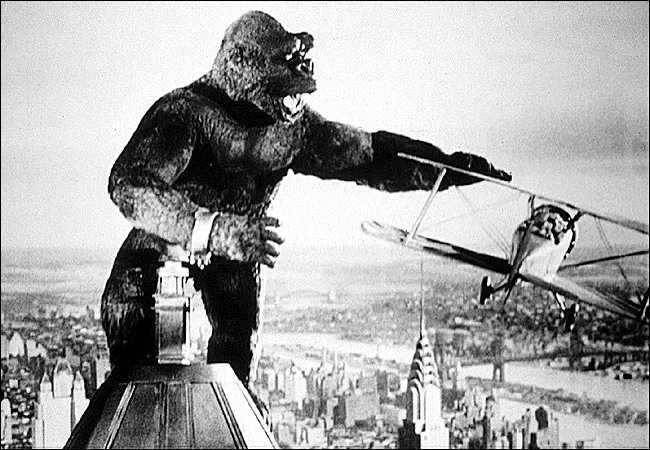
Miniature sets were constructed, and actors were filmed in the foreground to create the illusion of differing sizes and scale.
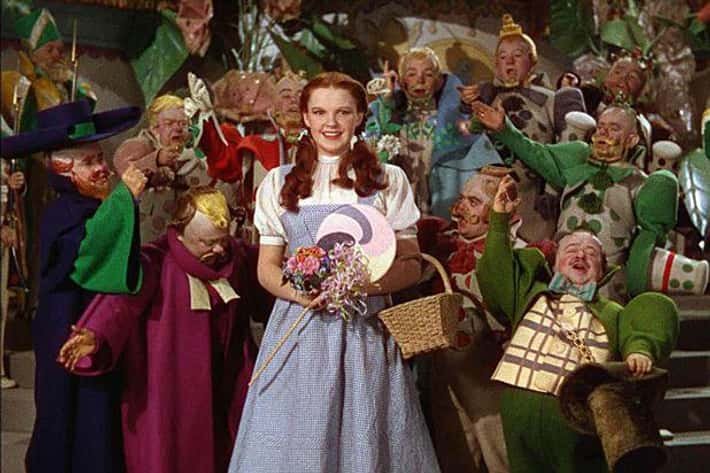
The Wizard of Oz (1939) utilized forced perspective to make the Munchkins appear smaller and the sets more expansive.
By adjusting the camera angle and the placement of actors and props, filmmakers showed a sense of depth and proportion that would have been impossible with traditional sets.
Matte Paintings: Extending the Imagination
Matte paintings were essential in creating expansive landscapes and intricate backgrounds.
In Gone With the Wind (1939), artists painted vast vistas and cityscapes on glass panels, which were then integrated into the live-action footage.
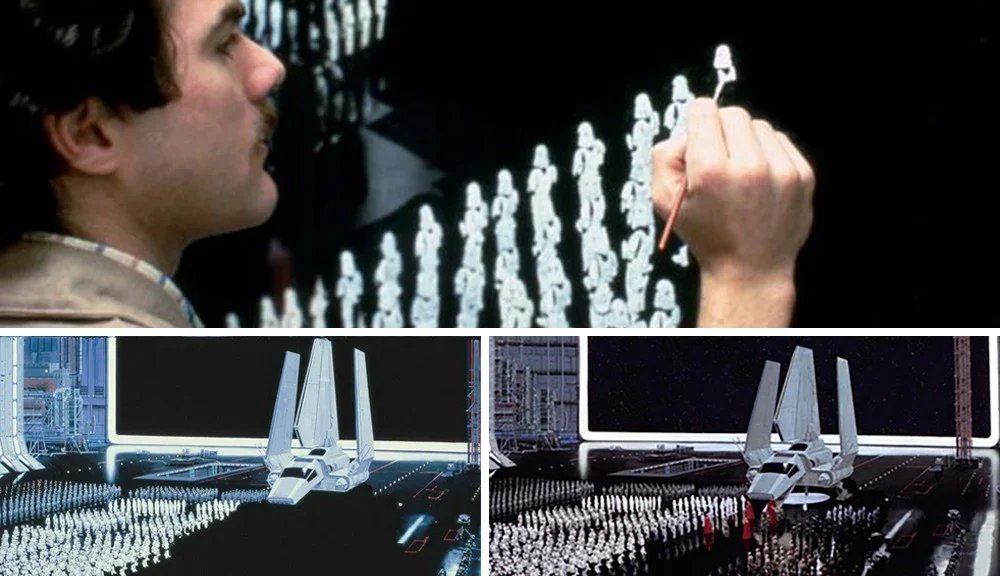
This technique allowed filmmakers to depict scenes on a grand scale without the need for elaborate physical sets. This technique is still carried on in modern and semi-modern films like in Star Wars: Return of the Jedi shown above. (Did you know this scene was a matte painting)
Practical Effects and Stunts Action on Screen
Silent film star Buster Keaton was renowned for performing his own stunts, typically involving complex and dangerous physical feats.
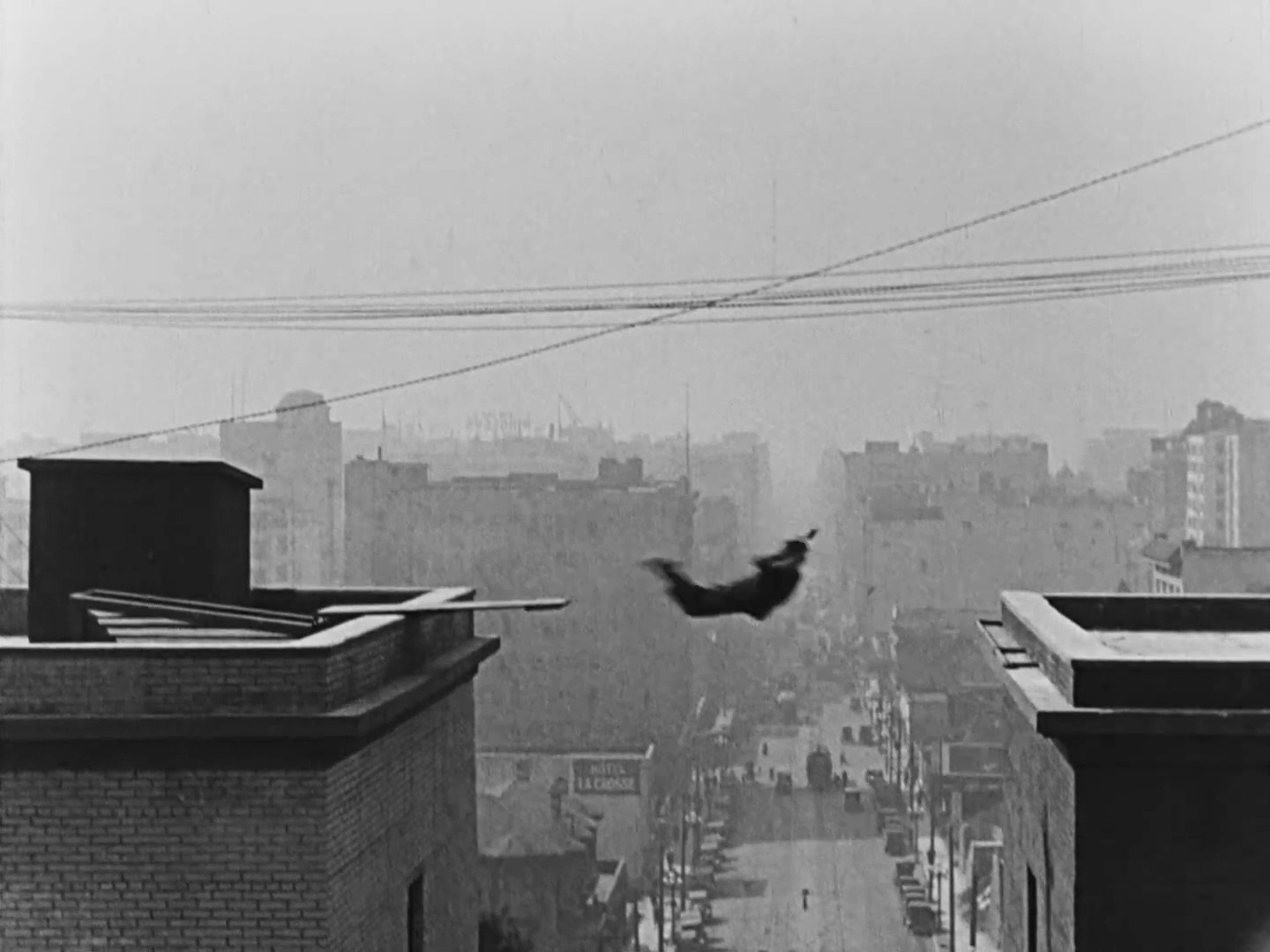
In Steamboat Bill, Jr. (1928), Keaton stood in the path of a collapsing building façade, with a window opening just in time for him to escape. This was a stunt that required precise timing and courage.
Filmmakers didn’t just use practical effects for stunts. They also used pyrotechnics and mechanical rigs to craft exciting action scenes that kept audiences on the edge of their seats.
Sound Effects of Old Hollywood
The creation of sound effects in the pre-digital era was an art form in itself.
For King Kong (1933), the iconic roar of the titular ape was made by recording the sounds of lions and tigers, manipulating the audio to create a unique growl.
Foley artists also played a huge role in adding realism to films.
By using everyday objects to replicate sounds (like crunching celery to mimic bone breaks) they changed the experience for viewers.
Optical Effects: Manipulating Time and Space
Optical effects, like double exposure and rear projection, allowed filmmakers to blend different elements seamlessly.
In King Kong (1933), rear projection was used to combine live-action footage with stop-motion animation, enabling the giant ape to interact with human characters in a believable manner.
These techniques required meticulous planning and execution, as each frame had to be carefully aligned for continuity and realism.
Legacy and Influence on Modern Filmmaking
The innovations of Old Hollywood laid the groundwork for modern filmmaking.
Directors like Peter Jackson and Christopher Nolan have cited the practical effects of films like King Kong as inspirations for their own work.
The emphasis on tangible effects and in-camera techniques continues to influence filmmakers who seek to create immersive and authentic cinematic experiences.
How Old Hollywood Inspires Filmmakers Today
Old Hollywood technology was characterized by creativity, resourcefulness, and a deep understanding of the medium.
By pushing the boundaries of what was possible with practical effects, filmmakers of the past created timeless classics that continue to inspire and entertain audiences today.
Their legacy serves as a testament to the power of imagination and craftsmanship in the art of filmmaking.