How Hollywood Keeps Reinventing Itself: From "Golden Age" to Now
Oct 2, 2025
Zach Wilson
From the “Golden Age” until now, Hollywood keeps reinventing itself to tell fantastic stories to audiences. In this article we take a look into just how they do it. Read now!
Hollywood in the Spotlight
Hollywood has always lived in the spotlight. The lights, the stars, the premieres.. it created an image that reached far beyond Los Angeles.
Behind the red carpets and flashing cameras, the industry constantly changes.
From the golden age of studios to today’s streaming wars, each generation sees Hollywood reinvent itself. Stories are bigger, the players are different, and technology moves faster than ever.
The “Golden Age “ of Hollywood
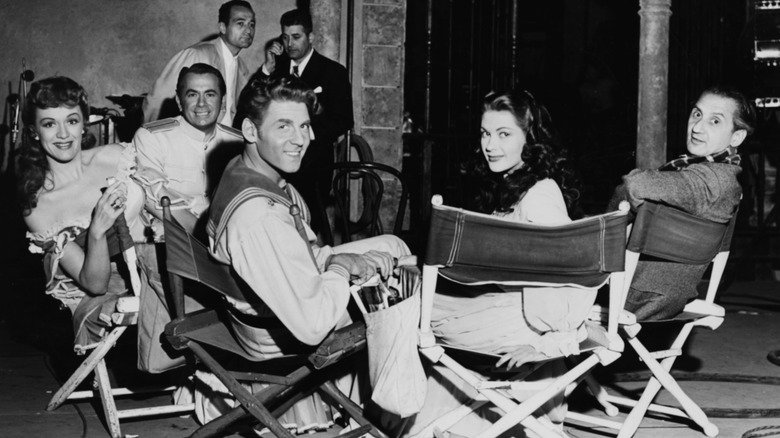
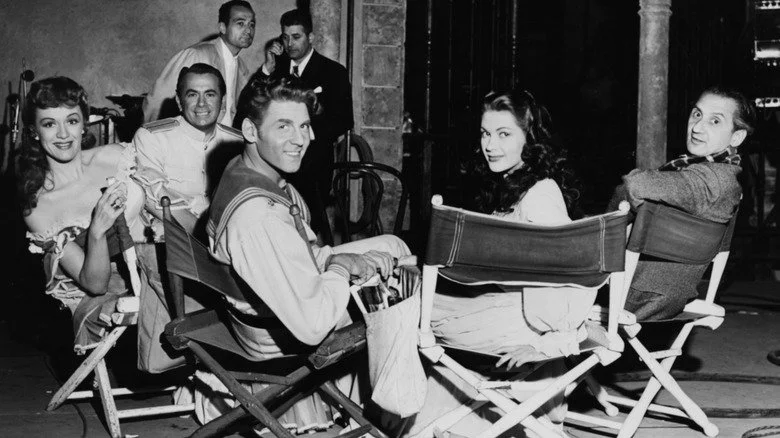
Some Familiar Faces From Hollywood’s “Golden Age”.
The 1930s through the 1950s are called Hollywood’s “golden age”. Major studios — MGM, Warner Bros., Paramount, 20th Century Fox, and RKO — dominated the industry.
They owned the actors, directors, theaters, and even the stories themselves.
Stars were built under studio contracts. Judy Garland, Clark Gable, Humphrey Bogart, and Marilyn Monroe became household names because studios controlled every aspect of their careers.
Movies were shot on massive lots. A single day could recreate an entire city street or a grand ballroom.
Audiences lined up for musicals, westerns, and epics that showed the full power of the studio system.
Under the glamour, the system had limits.
By the 1960s, antitrust rulings broke studio control over theaters, and television competed for attention. The old power structure began to fade.
New Hollywood: Directors Take Over
The 1970s brought a big shift. Directors became the creative force.
Filmmakers like Steven Spielberg, Martin Scorsese, Francis Ford Coppola, and George Lucas changed the tone of movies.
Dramas, epic adventures, and bold storytelling replaced the polished control of the studio era.
Blockbusters like Jaws and Star Wars proved audiences wanted excitement and creative freedom.
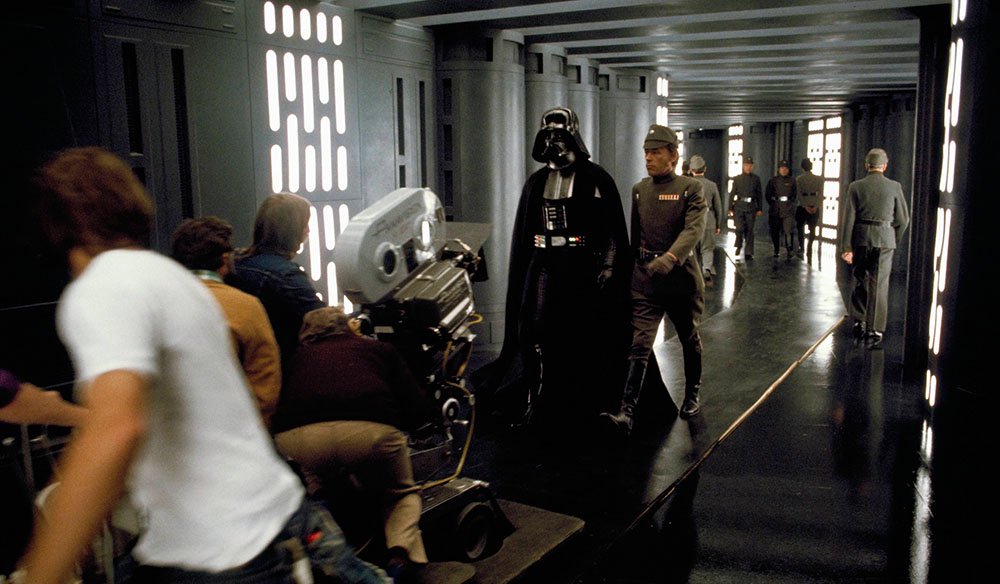
Franchises, sequels, and merchandising became standard. Studios leaned into predictable success while still allowing directors to innovate and create new stories.
Actors gained more freedom, too.
Al Pacino, Meryl Streep, and Harrison Ford built careers outside studio contracts. Star power began to not be tied to a single studio identity.
Hollywood Today: Streaming and Social Media
Today, Hollywood is shifting again. Theaters are seeing an increase each year since the pandemic, but streaming still — and probably will always — dominate the industry.
As you already know, Netflix, Disney+, HBO Max, Amazon, and so many others release hit films and television shows directly to homes worldwide.
Though people are starting to go out of their way to enjoy an experience, most of the world has shifted from experience to convenience.
Case Study: 'A Minecraft Movie' vs. 'One Battle After Another'
In 2025, two films show Hollywood's between a mass-market audience and an audience that is more into the creative aspect of film.
'A Minecraft Movie'
This family-friendly blockbuster, based on the popular video game, earned a domestic box office gross of about $423.9 million, making it one of the top-grossing films of the year.
This was driven by the success of the Minecraft video game, a strong marketing campaign, merchandise, and a big appeal to younger audiences and families.
'One Battle After Another'
Directed by Paul Thomas Anderson, this politically charged film, inspired by Thomas Pynchon's Vineland, dives into themes of revolution and societal upheaval. Despite its 2-hour and 50-minute runtime and complex narrative, the film got attention for its star-studded cast, including Leonardo DiCaprio and Teyana Taylor.
While not a massive box office hit, it resonated with film lovers and sparked discussions on social media.
Conclusion
These films show two sides of Hollywood: producing high-grossing films that cater to a wide audience while also creating films that challenge and engage a more niche viewer base.
Global Influence
Hollywood is still the biggest player, but it is no longer the only one. Korean films like Parasite and shows like Squid Game gained global audiences. Indian blockbusters like RRR broke streaming records.
Studios now invest internationally. Netflix funds productions in Europe, Asia, and Latin America. China is one of the largest box office markets. Global storytelling now influences Hollywood decision-making.
The Future of Hollywood
Hollywood is already shaping its next reinvention.
Virtual Production
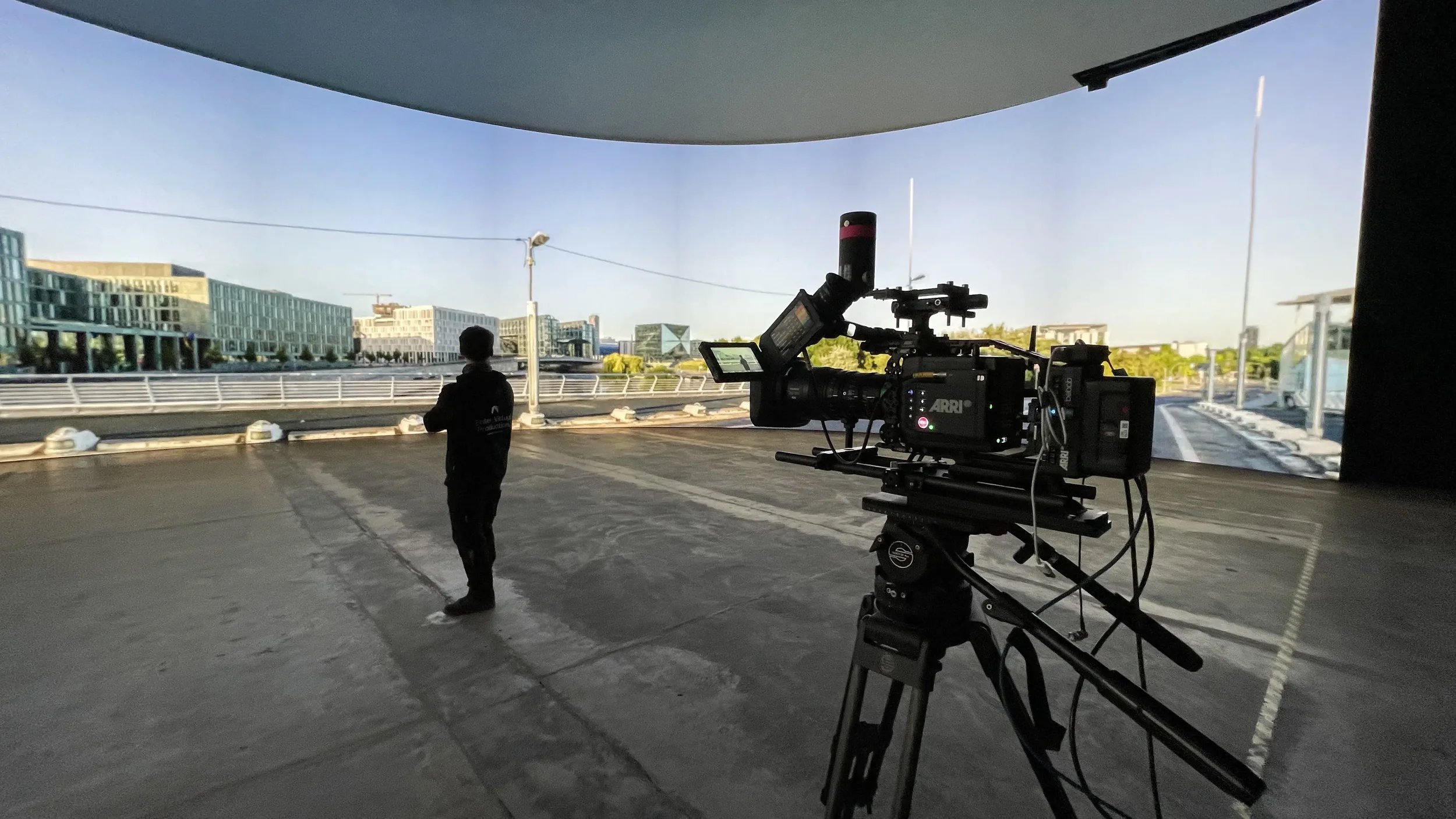
LED walls allow filmmakers to create entire worlds without leaving the stage. Shows like The Mandalorian and Obi-Wan Kenobi use this technology. Directors see realistic environments in real time, and cameras capture natural lighting.
New Stars, New Platforms
The next generation of stars are starting to emerge from social media, podcasts, or streaming series rather than traditional auditions. Talent discovery is decentralized, giving audiences a direct role in star-making.
Why Hollywood Reinvents Itself
Hollywood’s strength is reinvention, because that means it doesn’t say the same, it adapts to the times.
Studios adapted to television. Directors adapted to blockbusters. Now, the industry adapts to streaming, technology, and global audiences.
Audiences demand stories. How those stories are delivered changes, but the need for entertainment never does. Hollywood reinvents itself to meet that demand.