Why Businesses Still Invest in Commercials in 2026
Jul 15, 2026
Zach Wilson
The companies that invest in professional production aren’t just creating videos for the sake of volume; they’re shaping how they are perceived before a conversation ever happens.

Commercials Still Play a Defining Role in Modern Marketing
Commercial production continues to be one of the most important tools in how businesses shape customer perception and build trust at scale.
Even as content becomes easier and cheaper to produce, high-quality commercial work still holds a different role in the marketing ecosystem. It’s not just about visibility; it’s about helping people quickly understand what a business does and how seriously it operates.
Trust Is Built Before a Conversation Happens
Most decisions today are made long before a conversation ever happens. A commercial often becomes the first real impression a potential customer has of a company, especially in industries where trust, scale, and capability matter.
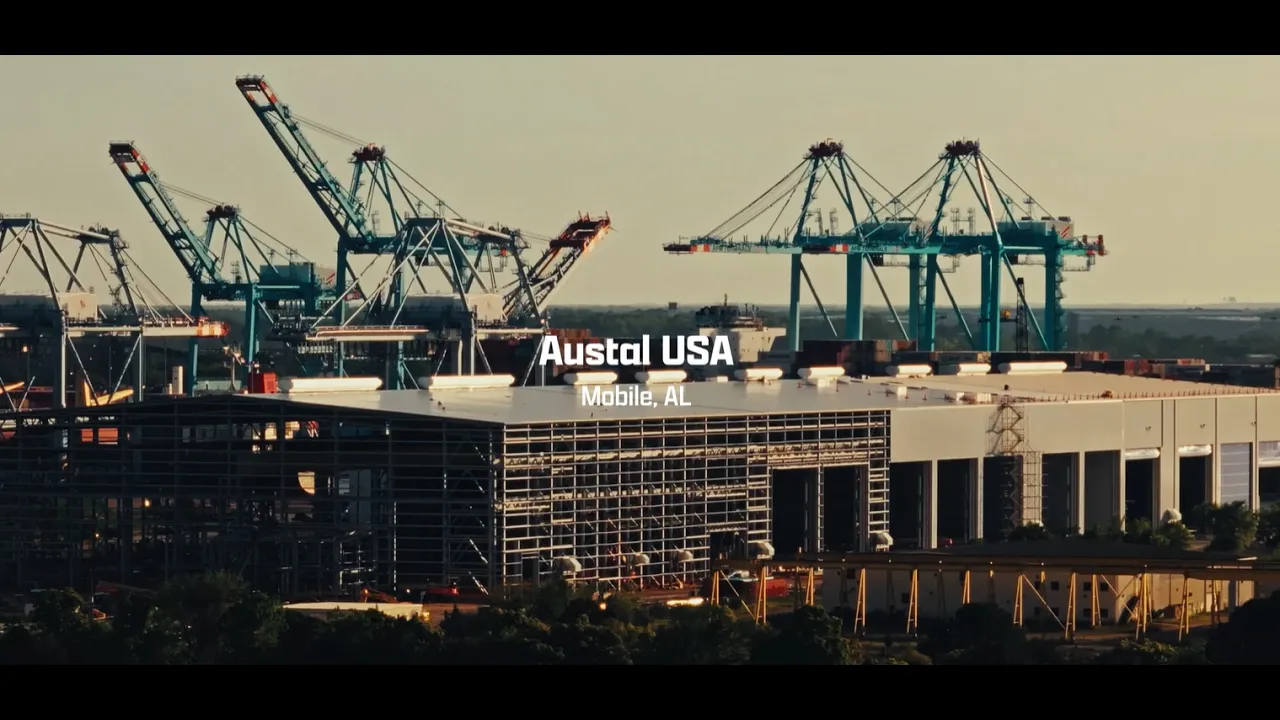
We’ve seen this firsthand through our work with organizations like Barnhart and Novelis.
In environments like that, the expectation isn’t just to promote a service; it’s to communicate operational scale, precision, and reliability in a way that matches the reality of how the business functions.
That’s where professional production becomes valuable. It reduces ambiguity and helps audiences understand what a company does and what level it operates at.
How Commercial Production Shapes Brand Perception
A commercial plays a direct role in how a brand is interpreted.
People rarely separate what they see from what they believe. When a business looks intentional, structured, and professionally presented, that impression carries into how its services are perceived.
This is why commercial production has always been tied to branding, even before “brand strategy” became a common term.
A strong commercial influences how people think about:
● The size of a company
● The quality of its work
● The level of trust they assign to it
● The confidence they feel before reaching out
Those perceptions compound over time, especially when the same commercial is used across a website, sales process, recruitment efforts, and advertising campaigns.
Why Commercials Still Drive Business Growth
The return on commercial production isn’t limited to the video itself. The real value shows up in what happens before and after someone watches it.
A well-produced commercial improves:
● Inbound lead quality
● Conversion rates from existing traffic
● Trust during the sales process
● Clarity in what a business actually offers
Research across video marketing consistently shows that audiences retain more information from video than from text alone, which is part of why video continues to outperform other formats in engagement and conversion.
But the more important factor is comprehension.
When people clearly understand a business, they are more likely to engage with it.
Commercials help close that gap between awareness and understanding faster than almost any other medium.
The Difference Between Content and Commercial Production
Not all video content serves the same purpose.
There is a growing separation between:
● Fast, low-cost content made for volume
● Structured commercial production designed for messaging and positioning
Both exist in the same ecosystem, but they serve different outcomes.
Content can keep a brand present. Commercials shape how that brand is understood.
For businesses operating at a higher level, consistency in perception matters more than frequency of posting.
That’s where commercial production becomes essential.
How We Approach Commercials at Gulf Coast Studios
At Gulf Coast Studios, we treat commercial production as a strategic tool, not just a creative exercise.
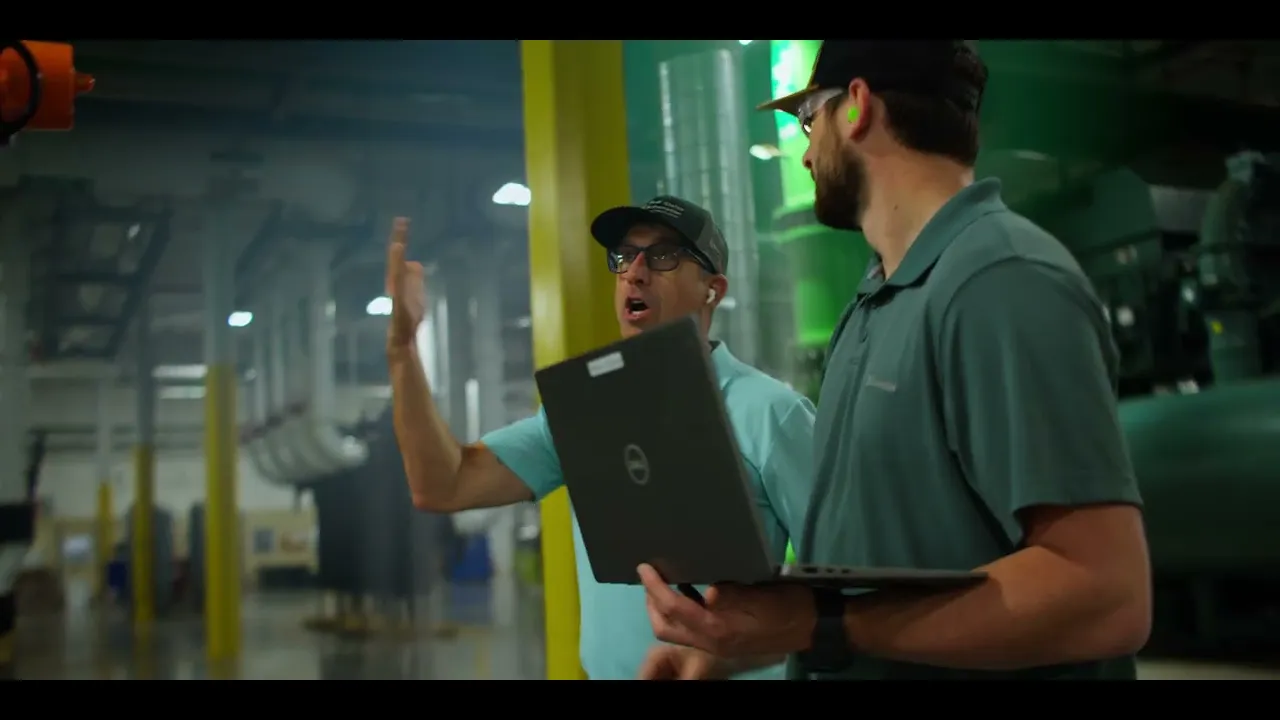
Our work blends cinematic production with real-world storytelling so the final result reflects both the scale and the reality of the business.
That includes:
● Cinematic visual production built for broadcast-level quality
● Real environments instead of staged sets
● Structured storytelling that aligns with business goals
● Documentary influence that keeps the work grounded in reality
We don’t separate “commercial” and “authentic” into different categories. The strength comes from combining professional production with real operations in a way that feels accurate to the business itself.
This approach is especially important when working with industrial, manufacturing, and enterprise-level organizations where credibility and precision matter as much as creativity.

How Businesses Should Think About Commercials
A commercial is rarely just a single asset.
In practice, it becomes part of a larger system of communication that influences how a business is seen across multiple touchpoints.
One strong commercial can support:
● Website positioning and first impressions
● Paid advertising performance
● Sales conversations and pitch materials
● Recruitment and hiring
● Long-term brand recognition
For that reason, businesses that invest in high-quality production tend to use it repeatedly rather than treating it as a one-time deliverable.
The value compounds over time as the same piece of content continues shaping customer’s perception across different channels.
Commercial Production Still Plays a Central Role in How Businesses Are Understood
As more content enters the market, clarity becomes more valuable than volume.
The companies that invest in professional production aren’t just creating videos for the sake of volume; they’re shaping how they are perceived before a conversation ever happens.
That is where commercial work continues to matter most.
It’s about producing the right kind of content that accurately represents the level a business operates at and reinforces that perception every time it’s seen.
And that’s what strong commercial production ultimately delivers.